
Survived, but waiting to live
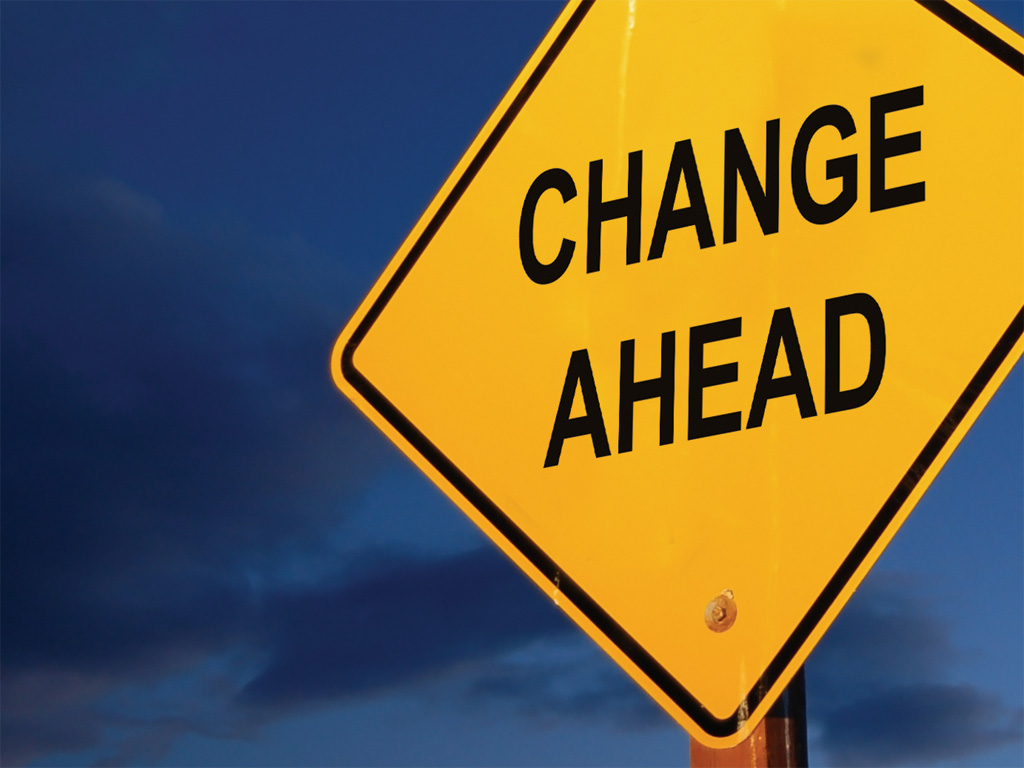
According to our wise friends at Cambridge Dictionary, to survive means: to remain alive or exist, especially after coming close to dying or being destroyed or after being in a difficult or threatening situation. While we all probably agree that to survive is a good thing and an instinct that drives most base human behavior, it is an interesting place that I seem to find myself of fearing leaving the familiarity of survival mode. I hope you’ll excuse my dramatic tone and hear me acknowledge that the threat(s) I face now are more psychological and even self-created, which makes them so incredibly frustrating. While I often minimize the trauma of my sustaining a TBI because it was my own poor decision that precipitated the crash, even I clearly see the sudden upheaval of life as I knew it just over 20 years ago. And in a weird way, I almost seem to be choosing to keep myself in a constant state of discomfort (survival mode) rather than fully accept reality and live life on life’s terms. I shouldn’t speak in such a declarative tone as if I have clear insight of my own psyche. After all; like all of us human beings, I’m learning as I go with more being revealed each passing day.
Perhaps it is as simple as being a case of “The devil you know is better than the devil you don’t” and I’ve become conditioned to crisis, almost preferring the hyperfocus of emotion and energy a triggering event demands to a relatively tranquil life. While I can’t be sure, I am inclined to believe that the ambiguity of allowing life to unfold with Faith that things will be ok has proven to be so fear inducing that I find myself in a pattern of continued crisis creation. Fortunately for me, life has taken on a fairly peaceful cadence and is relatively free of externally prompted stress or true crisis. Here is where I seem to fill the void with either self-created worry, or perhaps even worse, situations that through hyperfocus or even distorted reality, only exist in my mind. I suppose the recognition of the decision to live in this continued state as a choice offers the hope of making the alternative choice!
I’m reminded of a line from The Big Book as the outright insanity of this mode of living jumps out at me. Paraphrasing, the passage describes that for an alcoholic choosing between living a life continuing to blot out reality versus accepting spiritual help (ultimately, living with humility) can be a sticking point. The outright perplexity of this continued pattern is made worse by the recognition that the reality I’m blotting out is not a bad one. I have a loving family, great support networks, a truly amazing four-legged son, and yet, can’t seem to “let go and let God”. Talk about self-knowledge availing me nothing!
A phrase that I’ve really grown to appreciate is when living along Spiritual Principles is described as “Simple, but not easy”. Even I have to acknowledge that living life as it comes will certainly be less arduous than continuing to engage in self-defeating patterns of behavior. I suppose it all must begin with the faith that things are unfolding just as they should and any attempt to manipulate reality, even just my emotional experience of life, is really self-will run riot. It’s interesting that in reflection I so clearly see the futility of grasping for control and how it keeps me stuck in survival mode, surviving my own manifestations of crisis. I remember a mentor asking me if I’d rather have the possibility of happiness, joy, and freedom or a guaranteed misery? Unfortunately, while I often choose certainty, at least I’ve begun to entertain making a different choice!
One of my favorite groups that I’ve attended at KBIC (David Krempels Brain Injury Center) over the years was a long running emotional support group named Transitions. The group was focused on how members handled change. It always amazed me that while the conversation often centered on the sudden upheaval of a survivor’s life after brain injury, our discussions usually centered on the inevitable ebbs and flows of life in our modern world. Whether it was aging, grief, relationships or even simply the weather, difficulty with change seemed to be a human theme. Accepting the discomfort of change and embracing the possibility of the novel being more gratifying than the routine, even when it means giving up the security of familiar, but destructive patterns; has become my biggest challenge.